Proprietary Blends: What To Check Before You Buy
A proprietary blend lists ingredients by name but not by individual amount, hiding behind one combined total.
Here's what that actually means for a buyer, and a practical checklist for evaluating a product that uses one.
What a proprietary blend actually is
Instead of listing each ingredient with its own milligram amount, a proprietary blend groups several ingredients under one combined weight — for example, ‘200 mg Proprietary Blend: Gymnema, African Mango, Green Tea…’ You know what's in it. You don't know how much of each thing is in it.
Why that matters
Almost every supplement ingredient with real research also has a dose at which that research was conducted. An ingredient can appear on a label and still be present at a fraction of the studied amount — sometimes called a ‘token’ or ‘pixie dust’ amount in the industry. Without individual numbers, there's no way to distinguish a meaningfully dosed ingredient from a decorative one.
Is it automatically a red flag?
Not automatically. Proprietary blends are legal and common, and some brands use them for legitimate competitive reasons. But the practical effect is the same regardless of the brand’s intent: the burden of verification shifts onto you.
A practical checklist
1. Check if any ingredient outside the blend has a disclosed dose. If so, compare it to the research amount — that tells you something about how the brand doses things generally.
2. Look at the blend's total weight relative to the ingredient count. A 200 mg blend split across 20 ingredients averages 10 mg each — almost certainly below meaningful doses for most of them, even before considering that blends are rarely split evenly.
3. Contact the brand directly if exact dosing matters to your decision. A transparent brand should be able to answer, even if the label doesn't itemize it.
How this applies to SugarReset
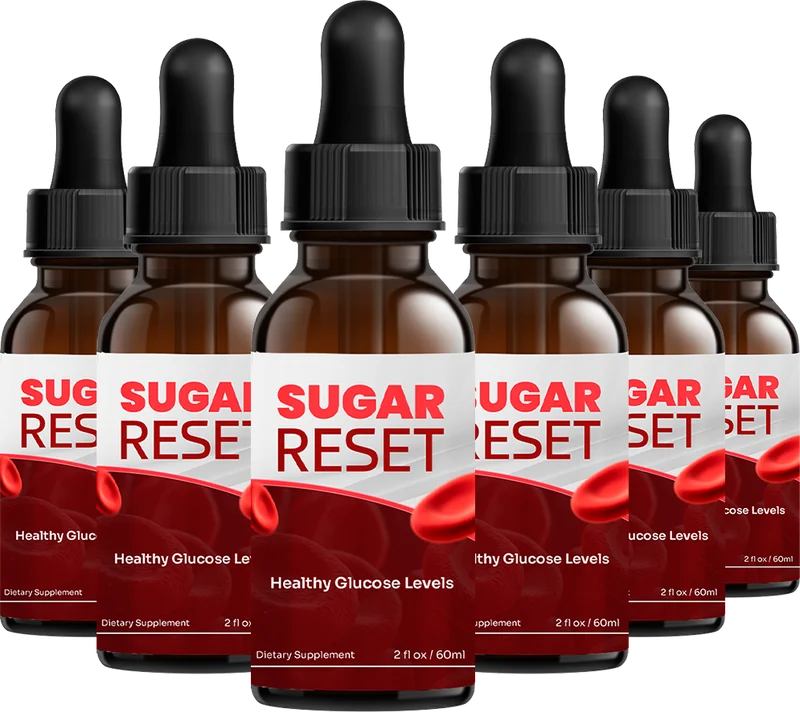
SugarReset discloses one ingredient (Chromium, at 0.7 mcg) and places the rest — Gymnema, African Mango, Green Tea, Maca, Panax Ginseng and amino acids — inside an undisclosed 200 mg blend. Applying the checklist above: the one disclosed dose (chromium) sits notably below research amounts, which is a reasonable signal to weigh when deciding how much to trust the undisclosed portion. See our chromium and blood sugar breakdown for the specific numbers.